



POINT-OF-CARE (POC) ANALYSIS DEVICES
Anyone who feels symptoms such as coughing, fever or headaches and body aches today is looking for clarity as quickly as possible as to whether they have been infected with corona, a cold or the flu. The easiest way to do this is with a smear. The sample can then be sent to a large laboratory or – even faster – analyzed on site using a point-of-care (PoC) system. In both scenarios, FAULHABER drives guarantee reliable analyzes and ensure a head start in diagnostics.
A quick and highly specific diagnosis of infectious diseases such as Covid-19 or influenza using polymerase chain reaction (PCR) is the method of choice to quickly find out what a patient is suffering from on site, for example in a doctor’s office or an outpatient clinic. Patients can also be certain in a timely manner whether the runny nose is just flu or Covid-19. This is crucial, as the latter also requires quarantine for contact persons and rapid action can stop further spread. PCR is a method widely used in molecular biology that uses thermal cycling to produce millions to billions of copies of a given RNA/DNA sample in a very short time.
Not only with corona tests it is often necessary to know the result as quickly as possible. Certain laboratory values often have to be available before the start of treatment in order to take the right measures in intensive care units, outpatient clinics or doctor's offices. This is where so-called Point-of-Care (PoC) analysis devices fully exploit their advantages: they are mobile, light, flexible in use and, above all, fast. A result can be available in less than a quarter of an hour. The name clarifies the most sensible place of use for a PoC system: in the immediate vicinity of the patient and his treatment (point-of-care).
Compared to a central laboratory automation solution with pre- and post-analyzers, a PoC solution is cheaper, simpler, much faster in terms of time and delivers relatively reliable results. There is also very little training effort for the staff. However, since PoC can only analyze one sample at a time, the overall throughput is limited and is significantly lower than in a large laboratory.
When it comes to carrying out a very large number of standardized tests, for example in the case of a mass test for Covid-19, there is no way around automated large-scale laboratories.
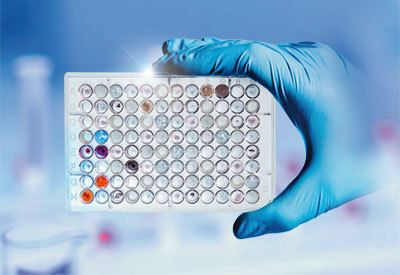
A PoC analysis device is used to check important parameters such as blood values, coagulation, blood gases and electrolytes or patients for infectious diseases such as influenza before an operation or drug treatment. Various technologies are used for the analyses, including fluorescence detection, polymerase chain reaction (PCR) and microfluidics. They also play an important role in the fight against Covid-19. The most reliable test for detecting a corona infection is the PCR test.
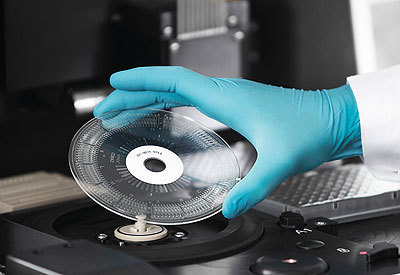
The analyzers for PoC use are almost completely automated, and only a few interventions by the user are required through the use of test strips or test kits. Depending on the function of the analysis process, miniature drive systems are used to dispose of samples, to mix with reagents, to rotate or to shake. At the same time, the PoC systems must be compact and easy to transport, and they must only take up little space on site. In the case of battery-powered systems, a highly efficient drive solution is also required to enable a long operating time.
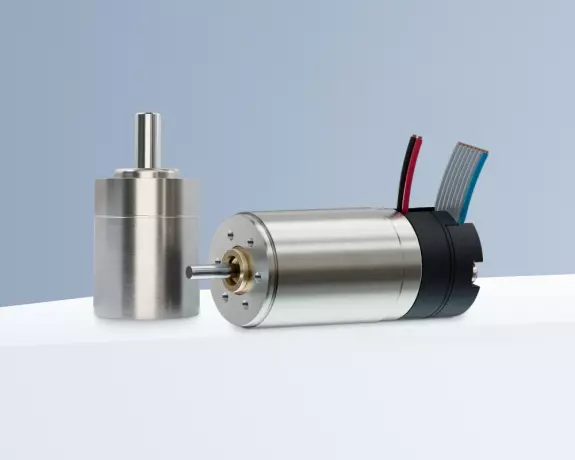
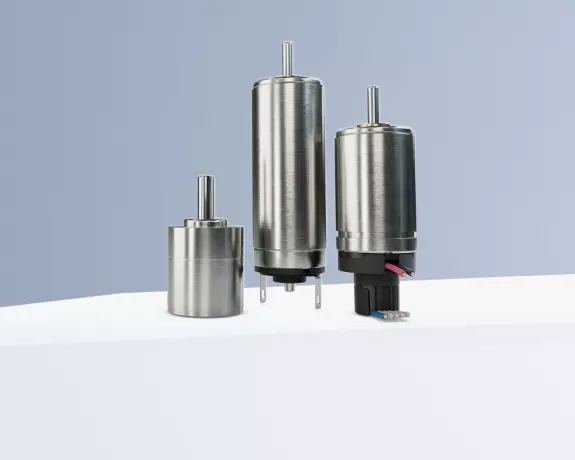
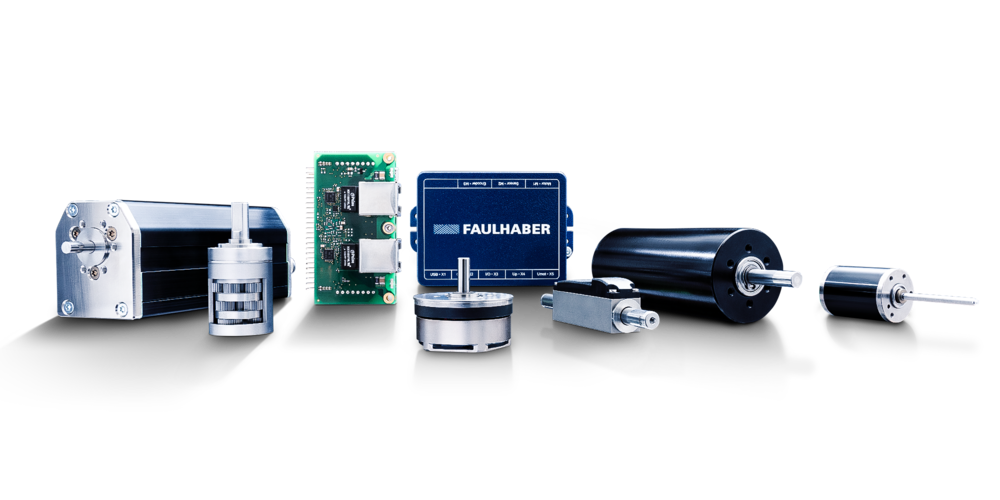
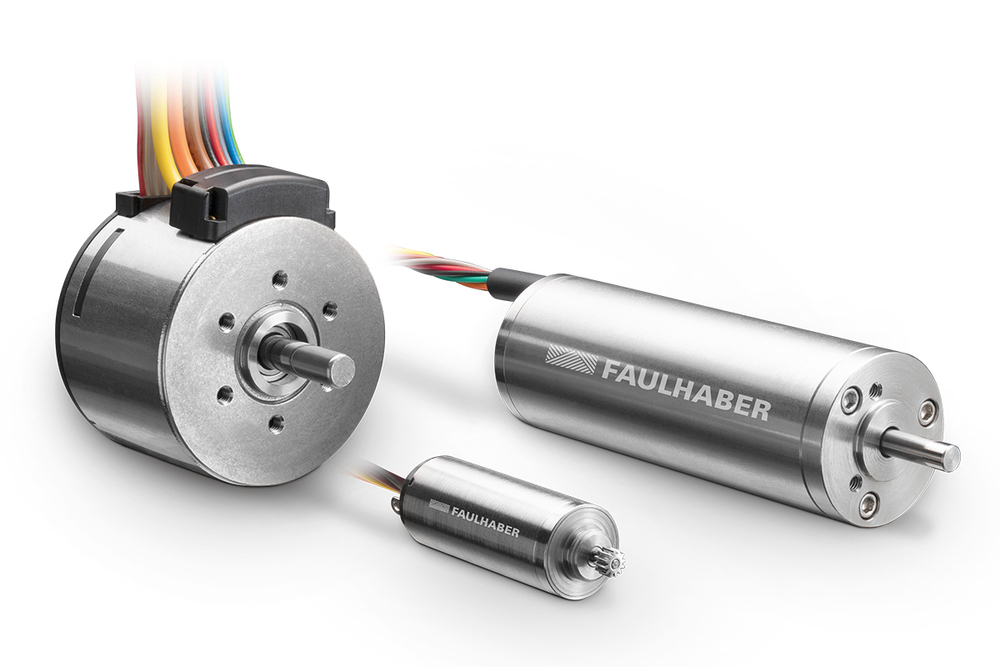
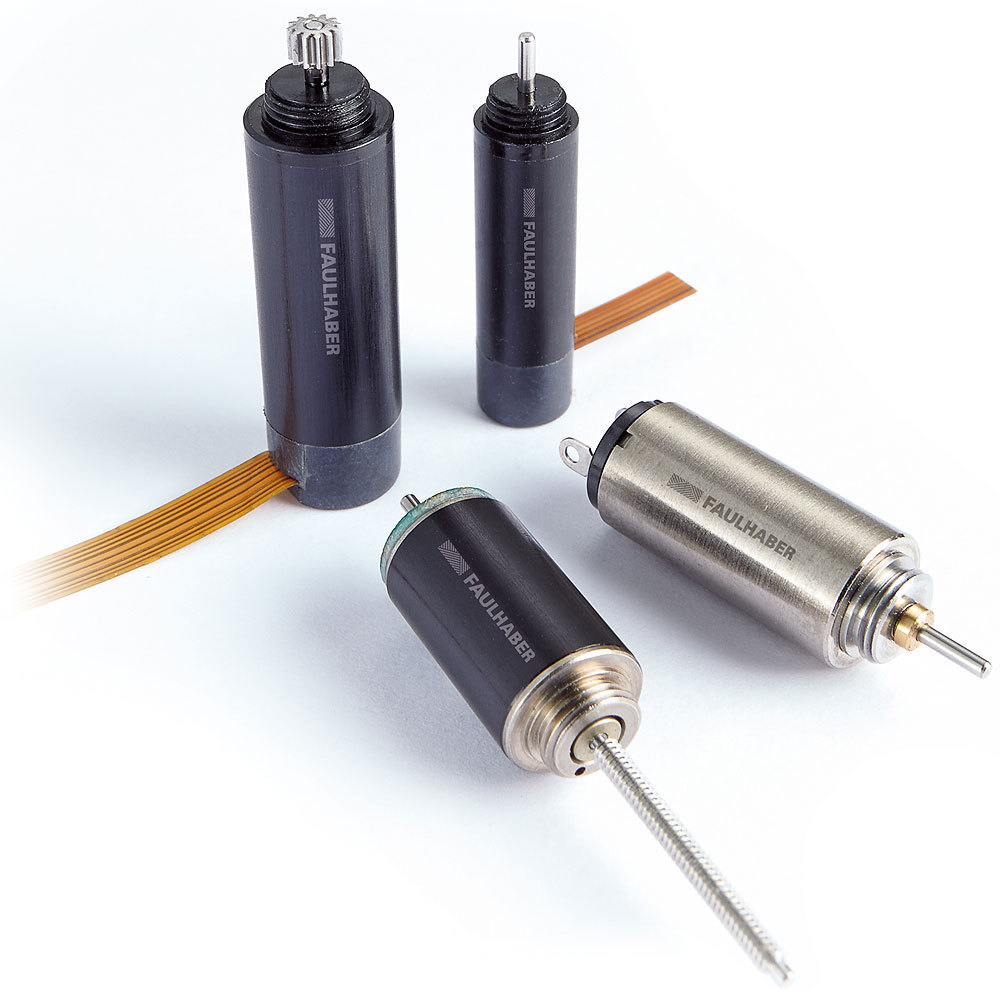
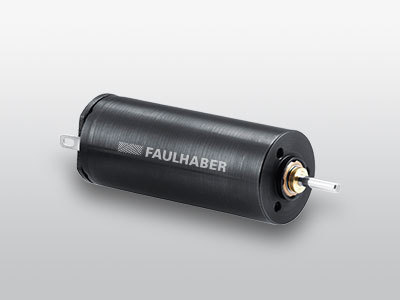
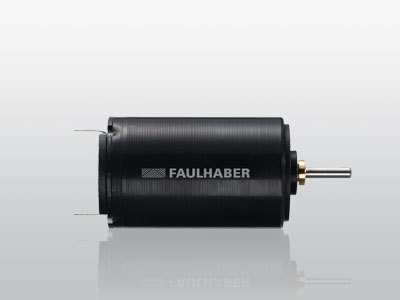
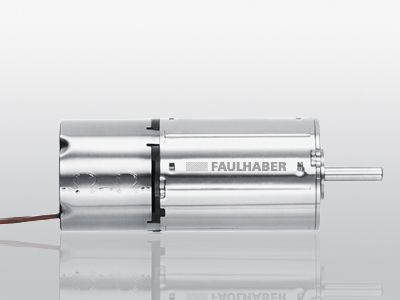
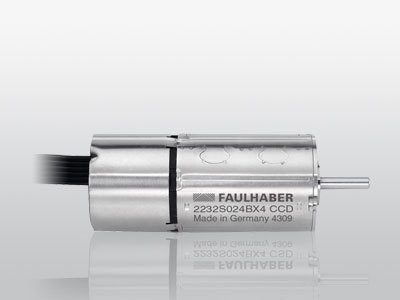
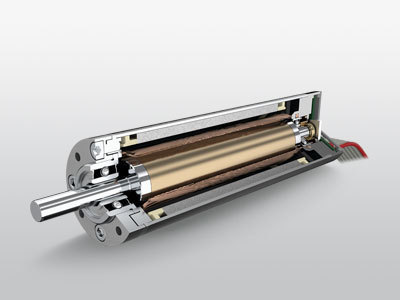
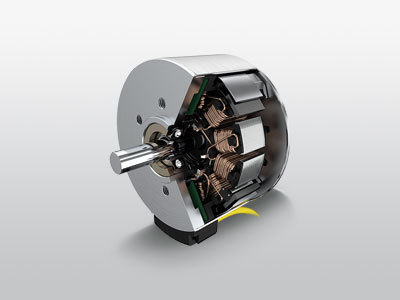
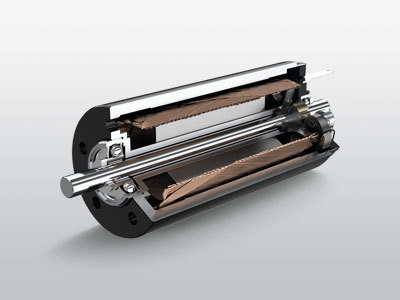
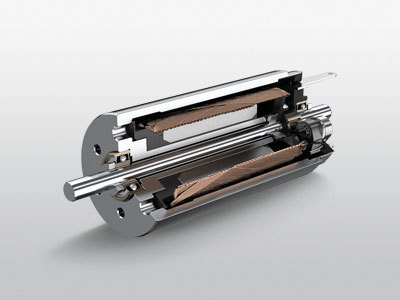
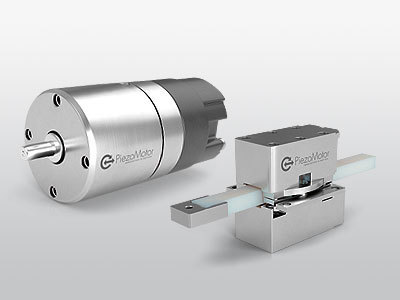
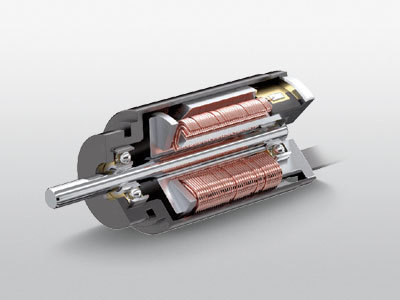
Drives for these applications must therefore be as compact and fast as possible. A good choice are FAULHABER DC micromotors with graphite or precious metal commutation or stepper motors as they are compact in size, highly efficient and offer a high power-to-weight ratio. They also meet the requirements for high reliability, a long service life, an extended product life cycle and low maintenance.
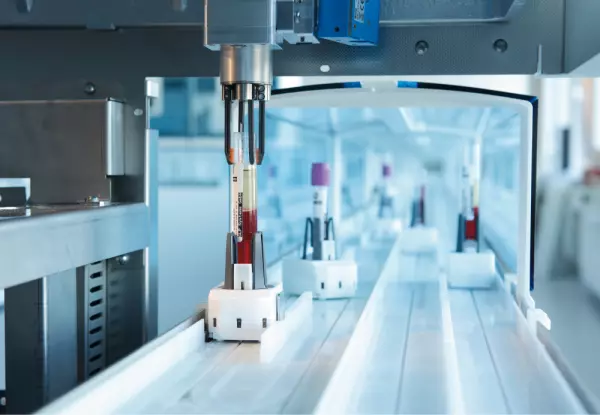
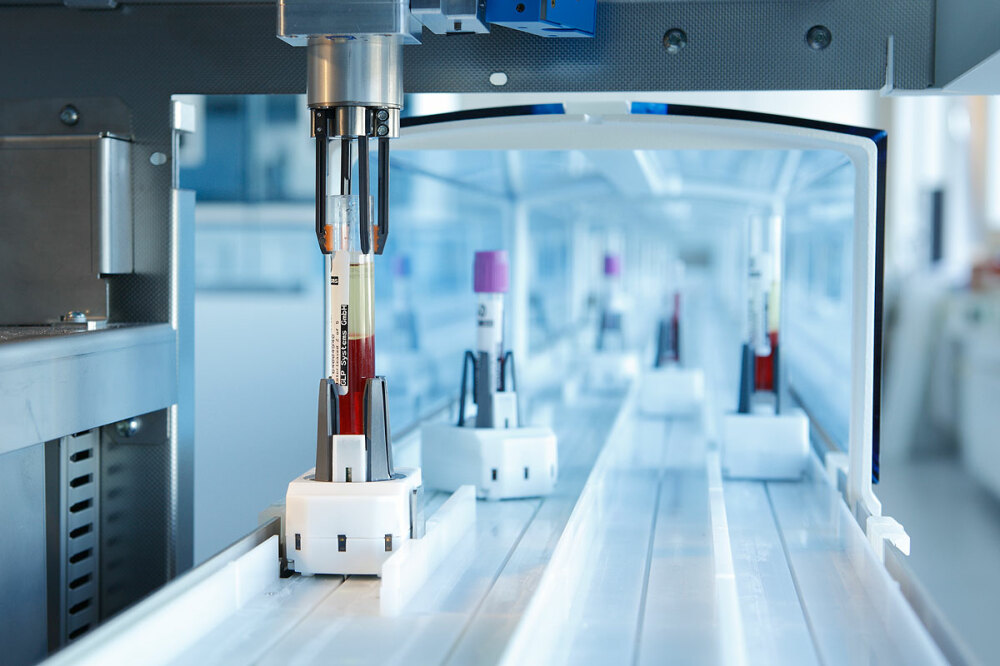
The advantages of automation here are obvious: It enables reliable results with a much higher throughput than would be possible with PoC systems, with low susceptibility to errors and minimal personnel costs. That is why automated solutions have been indispensable for many years in so-called in-vitro diagnostics (IVD), the analysis of medical samples such as blood, urine or tissue. But also in chemistry or food technology, there is increasing reliance on automated processes in the laboratory. This can mean carrying out individual processes in stand-alone devices, but also complex systems with fully automated sample analysis.
In this, the automation begins with the preparation of the samples in color-coded collection tubes. A scanner records which analyses
To the original article