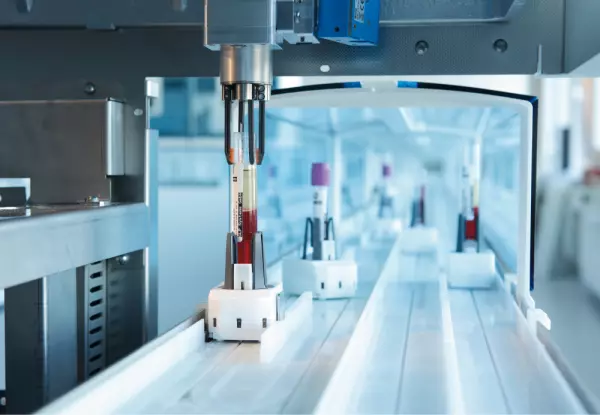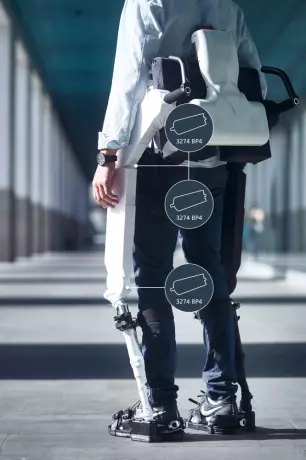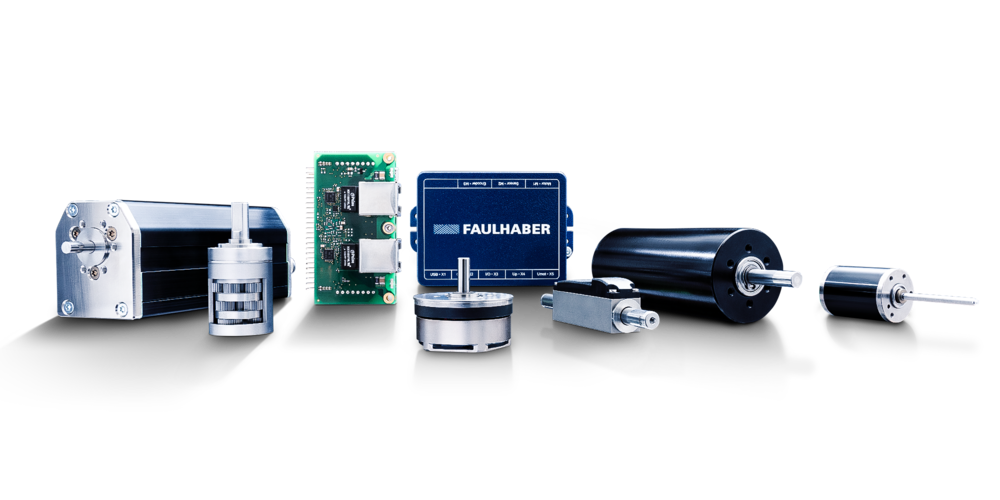

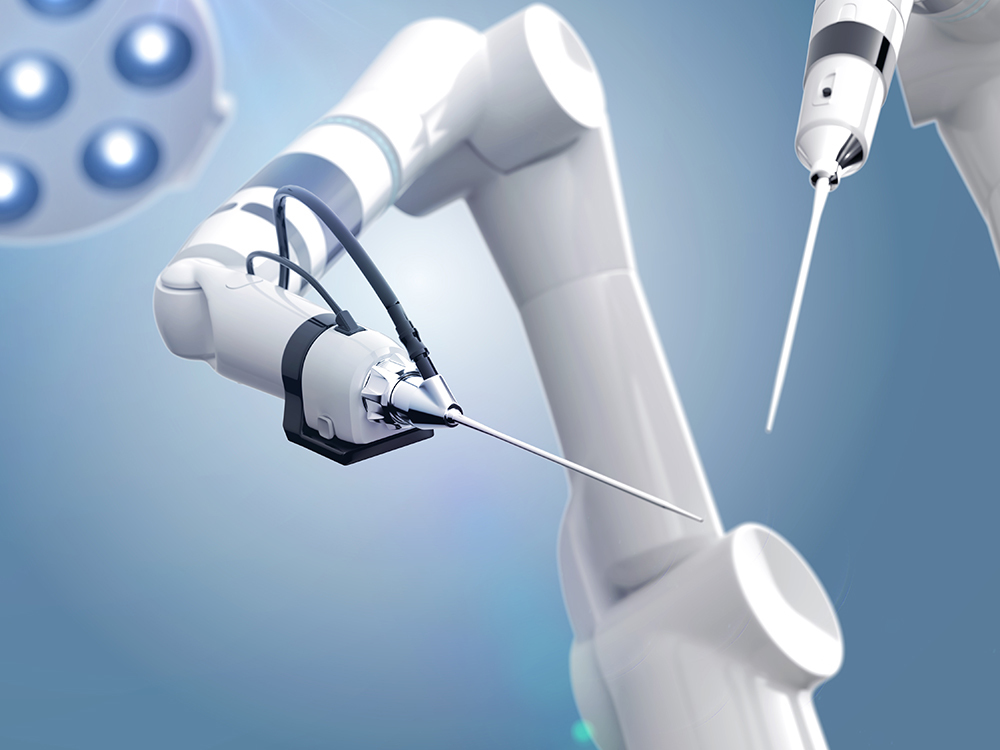
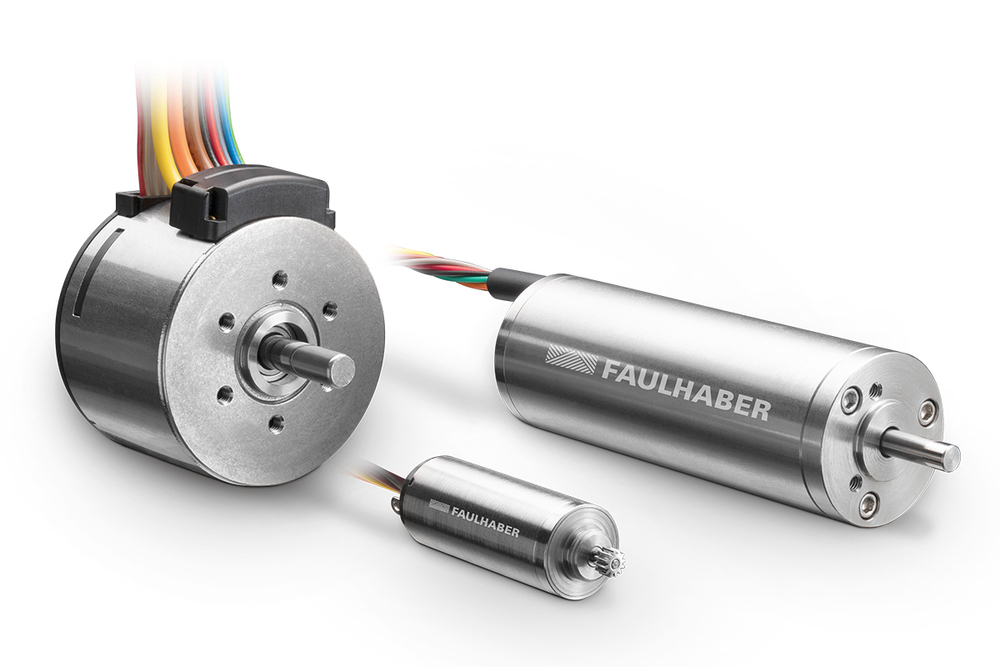

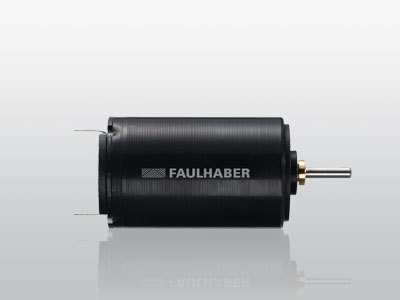
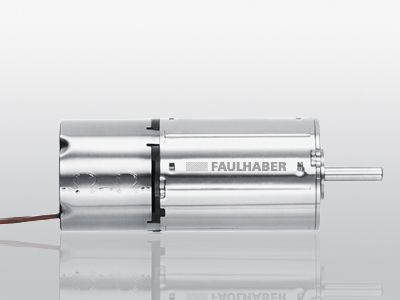
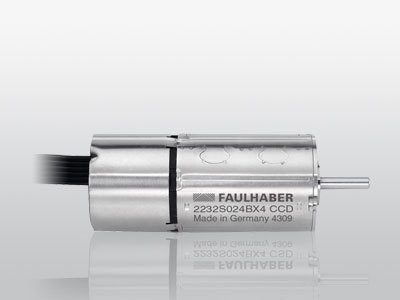
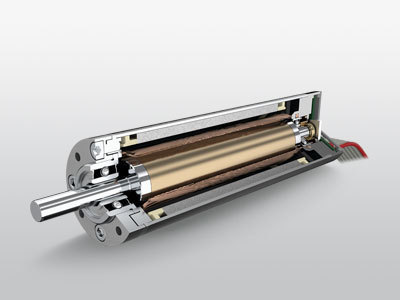
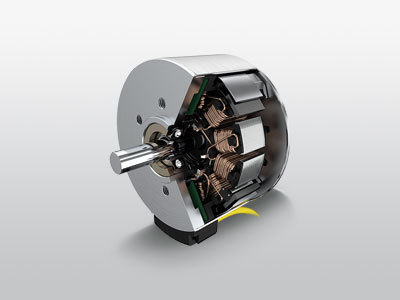
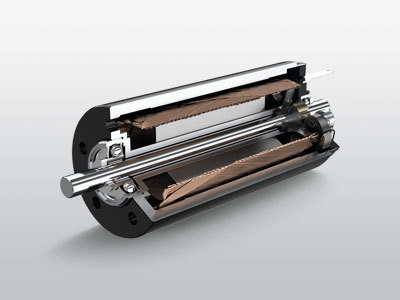
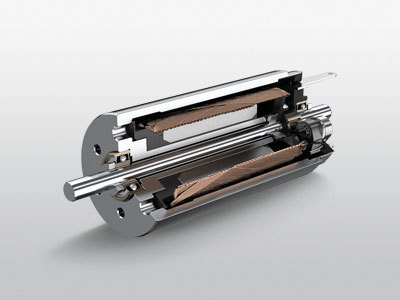
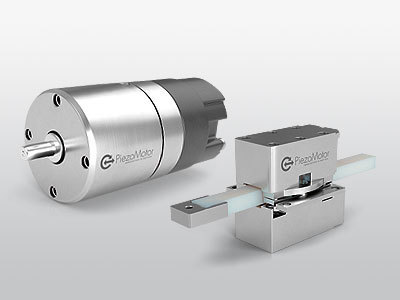


When does a healing medicine become poison? What works against cancer cells? Which dose leads to the goal with the fewest side effects? Medical research is looking for answers to these questions in test series with cell cultures. The CYRIS® FLOX test machine now makes this work much easier for laboratories. Motors from FAULHABER ensure that the cultures are supplied with food and medication for the duration of the experiment and that the development of the cells is meticulously monitored - without any human intervention.
Saving lives, curing diseases, alleviating symptoms – modern medicines do this by the millions, day after day. But there is by no means a remedy for every ailment. In addition, Corona has made it clear to us that new diseases are constantly being added to those that are already known. Therefore, new medicines are always needed and work is constantly being done on their development. Of course, these drugs should be as effective as they are safe – preferably before they are tested on humans. This last, the clinical test phase is essential, but you can learn a lot about the effect of a pharmaceutical agent in the laboratory. Because this unfolds mainly in the cells of the human body. In this way, a cell culture can take over the task of "trying out" the drug.
"We can find out, for example, at which limit a substance becomes toxic for the cells," explains Márton Nagy, biotechnology developer at the Munich company INCYTOИ ®. “By the way, this applies not only to pharmaceuticals, but also to potential environmental toxins, for example. We add a certain amount of the substance to the nutrient solution in which the culture is located and observe how the cells react. Then the amount is gradually increased.
Based on certain measurement data and optical monitoring with the microscope, we can identify when it becomes critical for the cells. This value can be converted to the body weight of a person. In practice, a fraction of this is usually set as the permissible limit for the dosage.” In pharmaceutical research, many tests are carried out with cancer cells. With them, the tables are turned, so to speak: one wants to find out which agent and in what quantity inhibits their reproduction or kills them completely.
Observing the cells is a multi-layered and, above all, time-consuming process. A single attempt takes about three days on average. During this period, numerous individual measurements are taken and the cells are repeatedly photographed at short intervals. The image sequences can be combined into a time-lapse film and the course of cell growth can be followed. Three physical variables are examined for the measurements: oxygen content, pH value and electrical resistance of the cell layer.
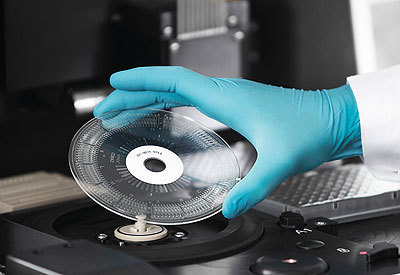
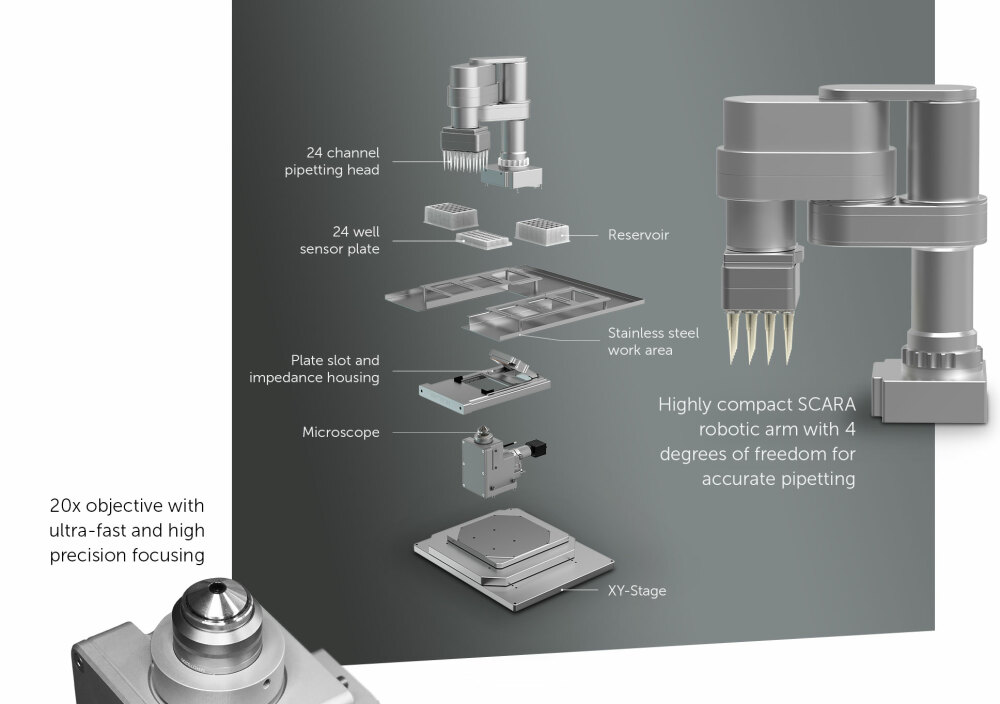
Until now, such series of tests required quite a lot of manual work. The various steps could only be partially automated. With CYRIS® FLOX, INCYTOИ ® has created a fully automatic device that can complete the multi-day test run without human intervention and at the same time fully document the results.
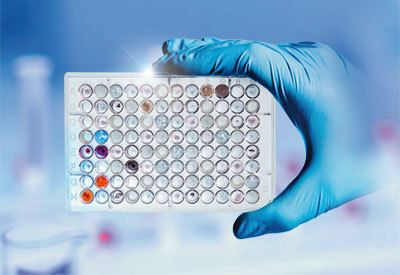
The core of the test setup is a microtiter plate made of transparent material, which has 24 wells. These hold the cell samples like miniature Petri dishes. 24 pipettes on a robot arm supply the small cultures with nutrient solution and add the substances to be tested. A different composition of the solution can be selected for each pipette. Each bowl is equipped with sensors for oxygen content, pH value and electrical resistance. The individual bowls are photographed from below at regular intervals through a microscope lens.
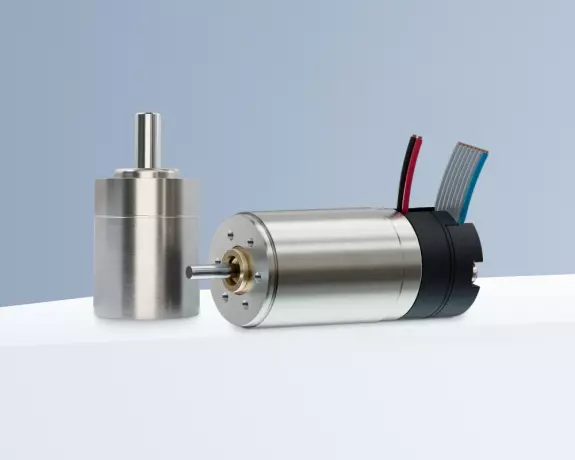
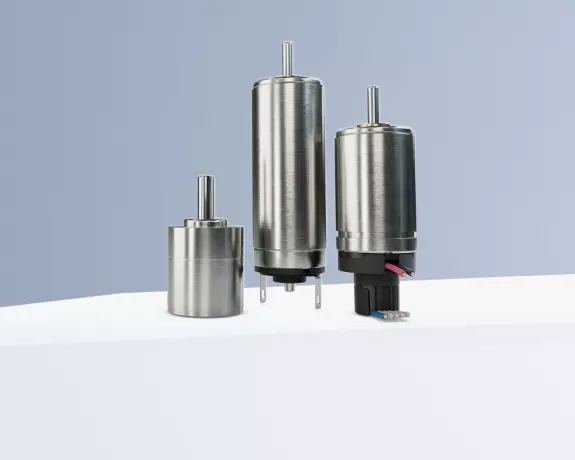
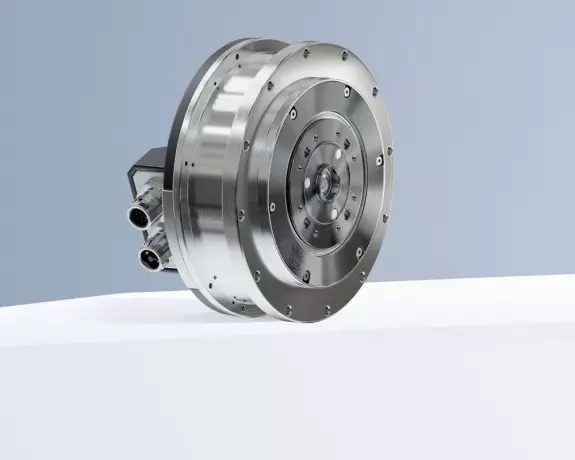
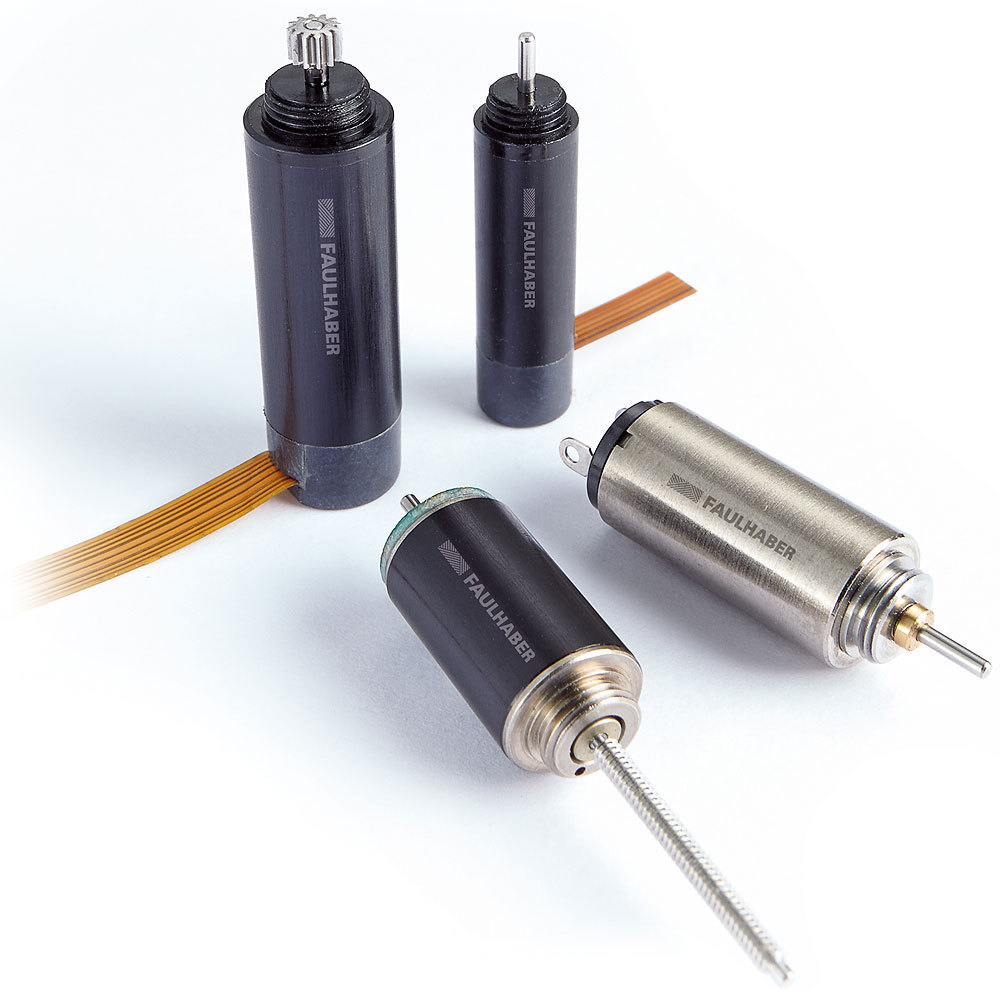
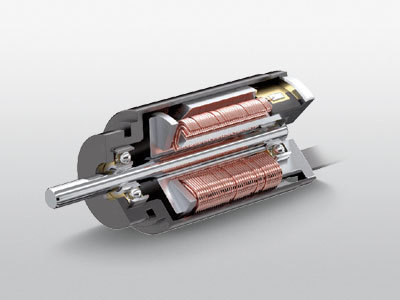
INCYTOИ® is a start-up with academic roots. The founders of the company were previously active in university research. There they used motors from other manufacturers for the first prototypes of their device. However, these did not prove themselves and were later replaced by models from FAULHABER. They impressed with the compactness and reliability of the components. When it came to further development for series production, it was no longer necessary to look for a drive supplier. However, new goals were defined for this area: "We wanted to work with as few different motor types as possible," says head of development Matthias Moll, describing the initial situation. “We also wanted to make the wiring simpler. We wanted a drive that had the electronics already integrated. Until then, it was housed in a control element of the robot arm, which required many cable connections in a moving element.” In addition, the motors should be able to detect errors, e.g