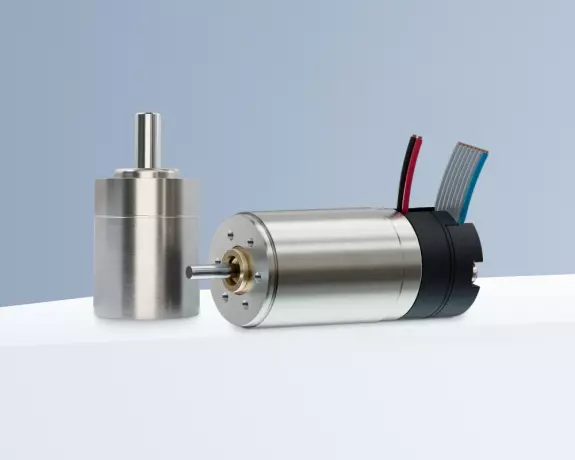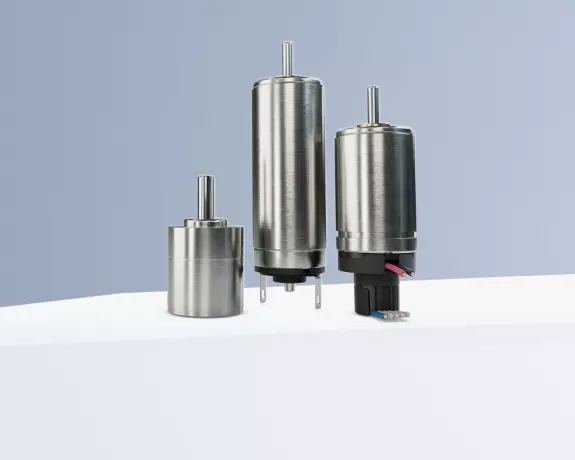

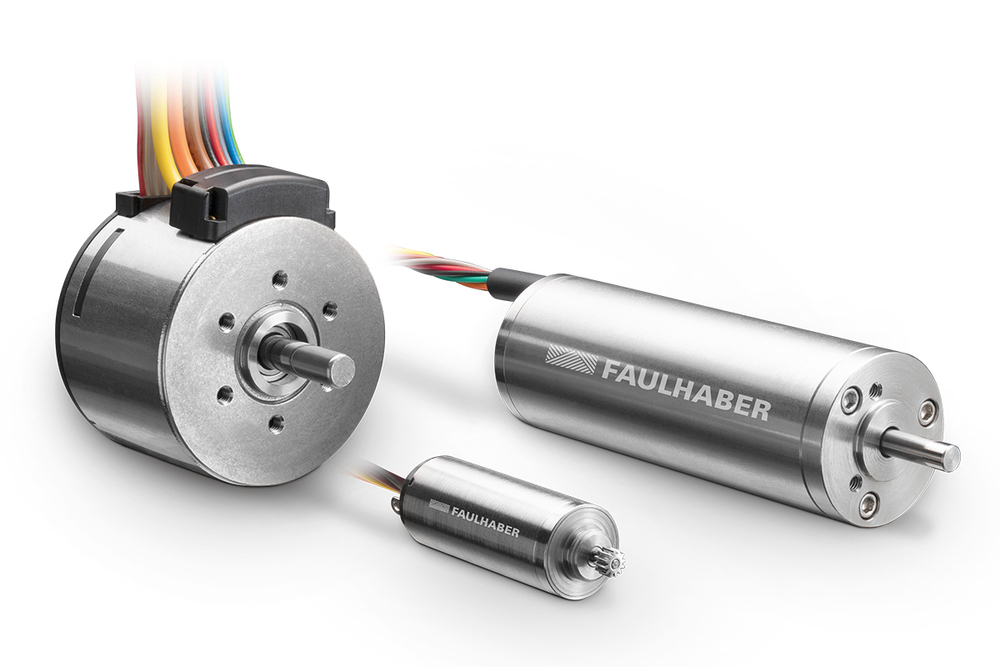

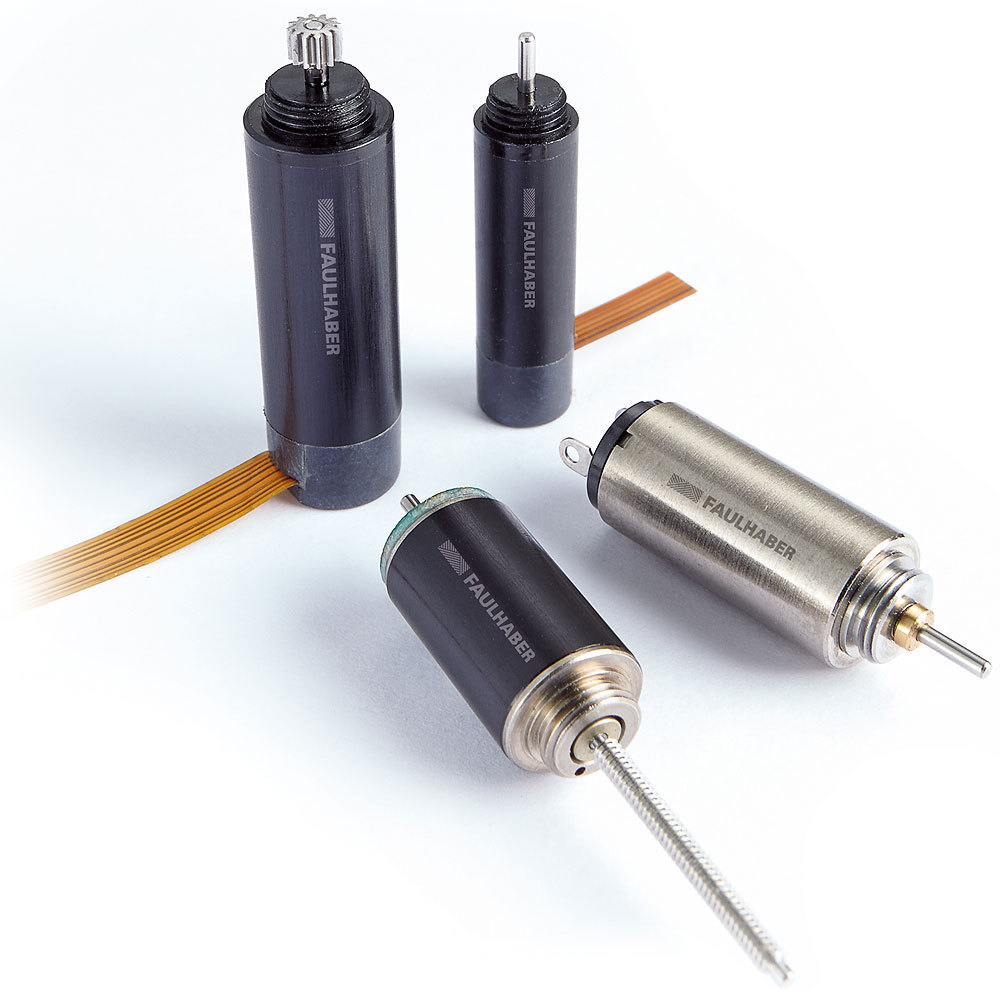
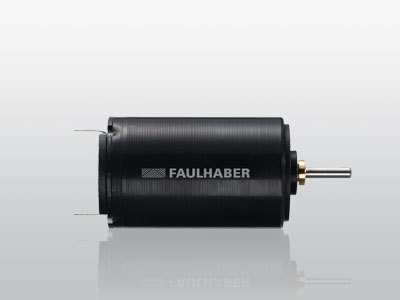
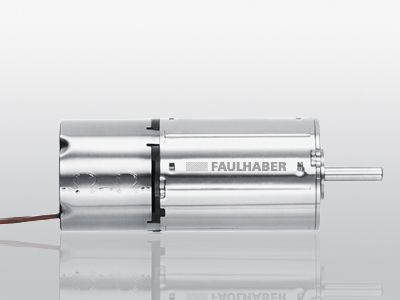
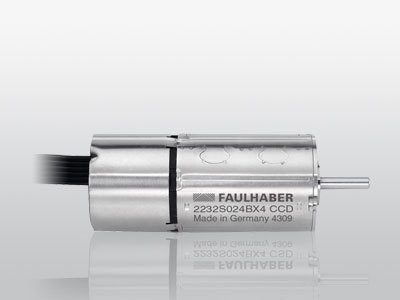
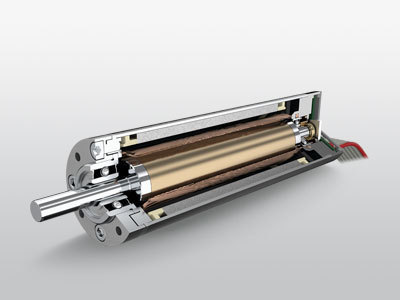
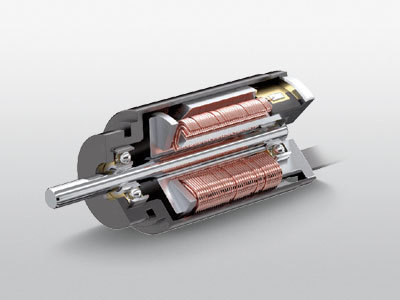


Musculoskeletal disorders are a widespread occupational disease in the EU and North America and one of the most common causes of long-term work absences. Work-related upper extremity injuries cost €2.1 billion annually across the EU and account for 45 percent of all occupational diseases. Wearables, clothing enhanced with technology, offer a way to prevent these injuries. The Ironhand® from the Swedish company BIOSERVO TECHNOLOGIES is a soft robotic glove that uses the company's patented SEM™ technology to enhance the human grip. Grip force support for individual finger joints is provided by FAULHABER actuators.
At the EU level, repetitive work is the biggest risk factor. 74 percent of employees in the EU are exposed to repetitive arm or hand movements for at least 25 percent of their working time. According to the German Federal Institute for Occupational Safety and Health (BAuA), musculoskeletal disorders (MSDs) are the most common cause of reduced work capacity, severe disabilities, early retirement, and temporary incapacity for work. A survey by the European Agency for Safety and Health at Work found that 45 percent of respondents suffer from painful or tiring postures at work, 25 percent from back pain, and 20 percent from muscle pain. Studies suggest that by 2030, one in two people could be affected by MSD-related illnesses.
Work-related neck and upper extremity disorders affect the neck, shoulders, arms, hands, wrists, and fingers, causing tingling, numbness, discomfort, or pain. The use of vibrating tools or exposure to cold can exacerbate these problems. Consequences include reduced mobility or grip strength. Both can create further hazards at work, such as when an employee can no longer safely hold or operate a tool.
Furthermore, demographic change is leading to an aging society and longer working lives. Improved workplace ergonomics are therefore becoming increasingly important – both for healthy individuals and those with physical limitations. In addition to solutions that make the actual workstation, such as the workbench, desk, or assembly line, more ergonomic, companies are increasingly focusing on augmentation solutions. Exoskeletons, worn like clothing, are one such solution.
Ironhand® from the Swedish company BIOSERVO TECHNOLOGIES is a soft, active exoskeleton for hands and fingers. Normally, a grip is made possible by the muscles in the forearm and hand. These muscles pull on tendons, thus moving the finger joints. Ironhand® works analogously: pressure-sensitive sensors in the fingertips of the glove detect the grip the user is performing. An integrated computer calculates the additional gripping force required, and small servo motors pull thin cables in the finger joints. The higher the pressure on the sensors, the more power Ironhand® delivers. The glove can be individually adjusted to personal preferences and the type of work being performed. Data collection enables a digital risk assessment of the hand and the integration of the user into the Industry 4.0 / Factory of the Future concept. Grip-intensive applications with a high ergonomic risk can be identified through data analysis and appropriate countermeasures can be taken.
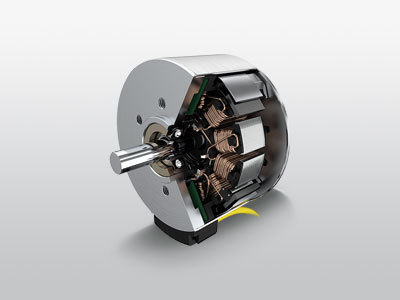
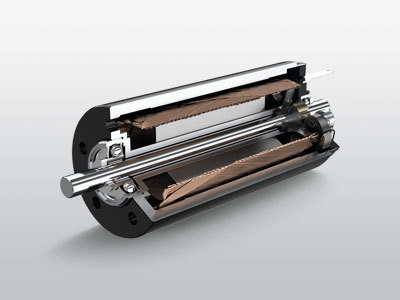
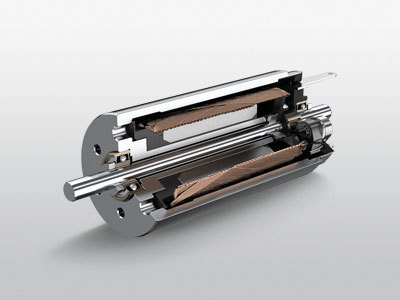
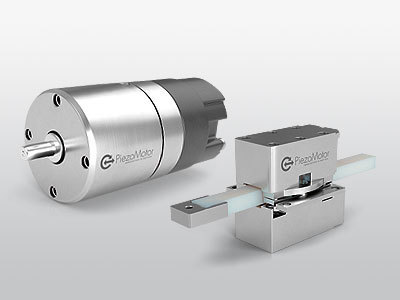
The glove is available in four different sizes and can be worn by both left- and right-handed users. The battery pack, worn like a backpack, contains both a processing unit and the motors that control the individual finger joints. Users can preset various profiles, each with different combinations of sensor sensitivity, force, finger symmetry, and locking tendency. Switching between profiles is as simple as pressing a button on the remote control located on the chest.
These profiles make it possible, for example, to react flexibly to different demands throughout the workday. This allows for tasks that are lightly strenuous in the morning and more demanding in the afternoon. It also enables multiple users to work with the same system. The system can provide a maximum grip force of 80 N within milliseconds.
The system is designed so that it does not hinder the wearing of personal protective equipment (PPE), such as protective gloves, fall protection equipment, helmets, or high-visibility clothing. It can be put on and taken off without assistance during breaks. The performance of the acc