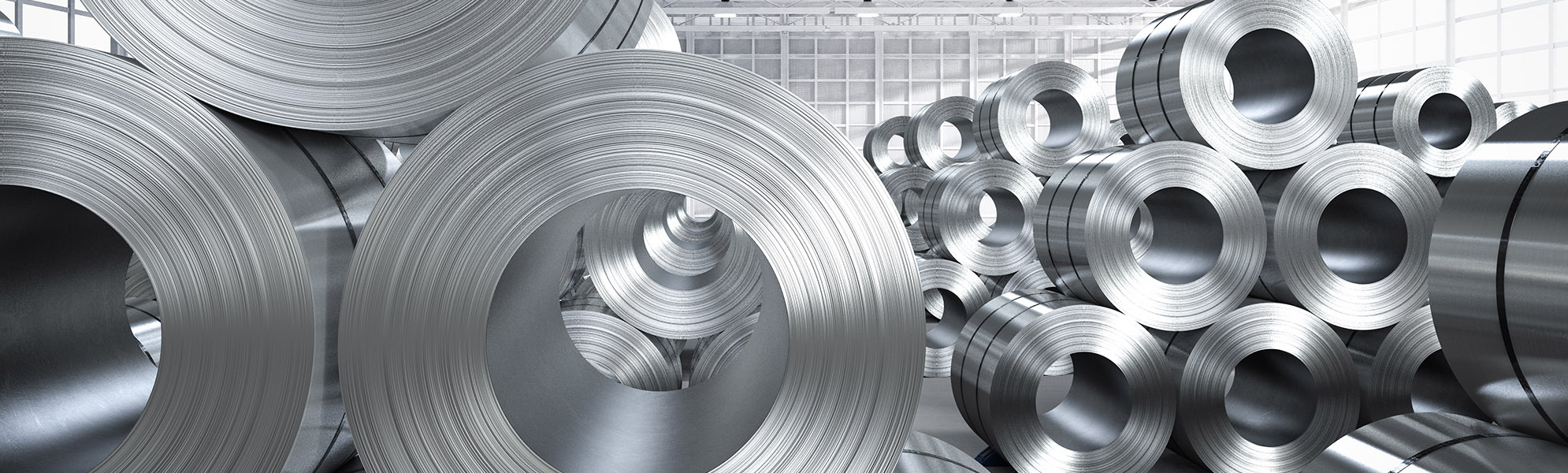

NITINOL TUBES Nitinol Tubes Generation 1, 2 or 3 (HCF-High Cycle Fatigue) ASTM F2063 complia...
Portal and digital medical technology fair of the largest MedTech cluster in Germany
NITINOL TUBES Nitinol Tubes Generation 1, 2 or 3 (HCF-High Cycle Fatigue) ASTM F2063 complia...
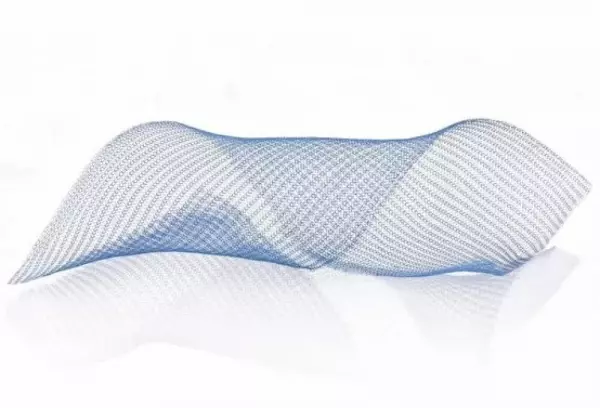

Titanium Silk - TiSilk ® is a mesh knitted from 57-60µm monofilament titanium micro-thread...
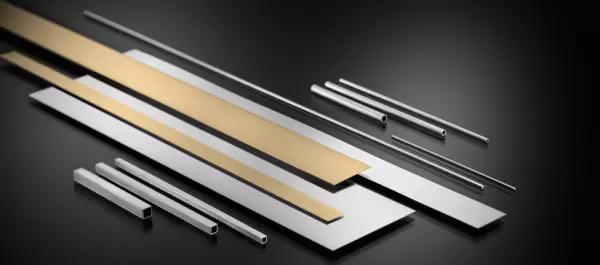

Precious metal semi-finished products
No matter what challenge you’re facing, we have the right precious metal semifinishe...
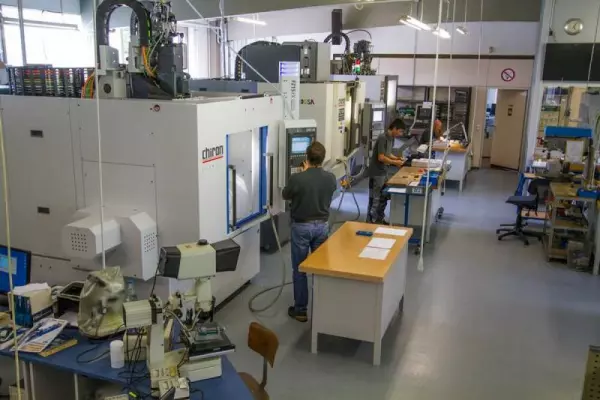

The metal and plastic processing is carried out by our modern CNC machining centers from Chiron....
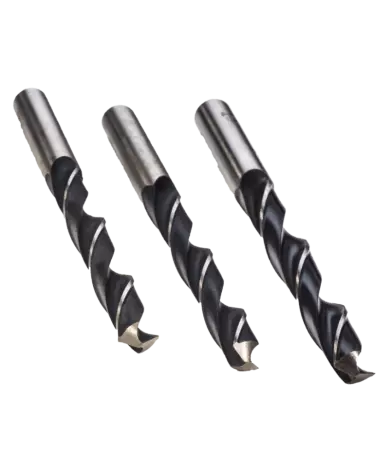

FastExtract® HSS "High Speed Steel" drills
HSS "High Speed Steel" drills are made of high-speed steel and retain their hardness even...

Precious metals are valuable company assets. With this in mind, why not rely on the exper...
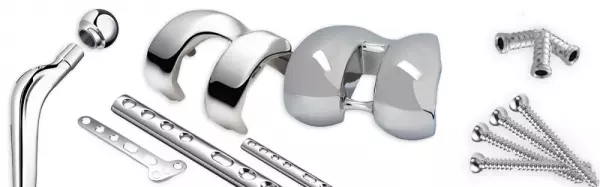

Finishing processes for implants
Knee joints, hip joints, dental implants, bone plates and bone screws Homogeneous, smooth implant...
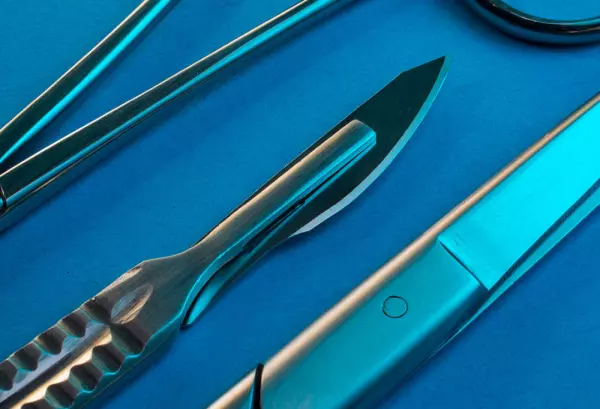

High-tech steel for surgical instruments
In the medicinal field, materials are used that should all optimally correspond to the specific area...
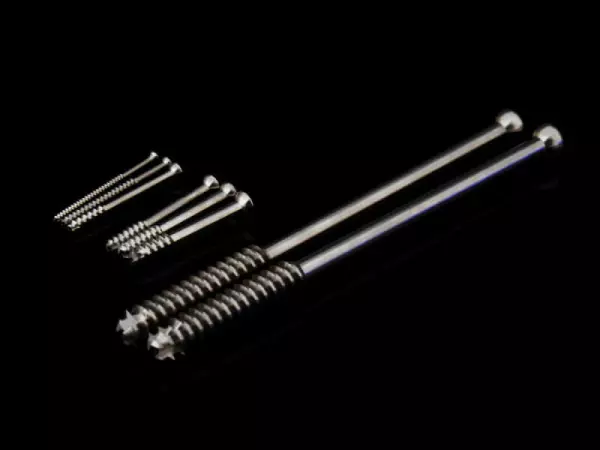
Higher quality finishing / finishing processes...
Higher quality finishing / finishing processes of surgical instruments / implants Refining or ref...
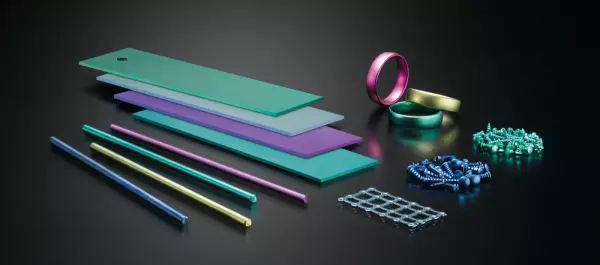
Titanium colouring unit TFA 120/10 With this unit defined passive layers can be made on p...

Surface finishing the perfect finish for...
Surface finishing - the perfect finish for your products Manufacturing sophisticated products is...


Orthopedic products - Navigating tools
Customized tools for navigating the drill holes and saw cuts







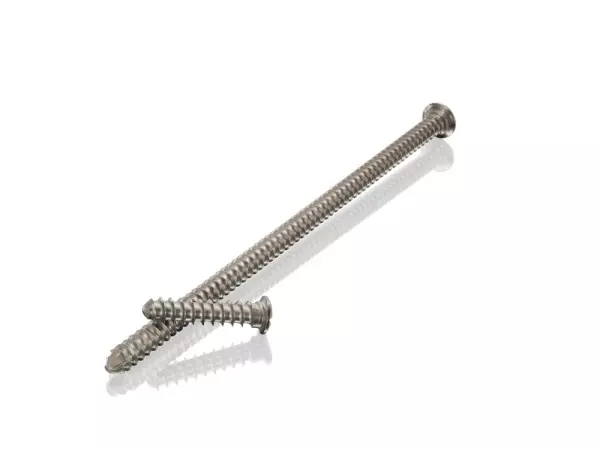
 Products and services from the categories Implant Materials (Long-Term) in medical technology or other healthcare-related industries .
The list of Implant Materials includes a wide range of materials. Some are biocompatible, while others have limited biocompatibility. Some of the most common implant materials are titanium and cobalt chromium alloys. Others are biocompatible and corrosion resistant, and all have unique ASTM specifications. For a more comprehensive understanding of the differences between these materials, read on. In this article, we will look at the different types of implant materials, their advantages and disadvantages, and their uses in dentistry.
The main differences between implant materials are the texture and the surface roughness. Some materials have an anisotropic surface that has a similar topography regardless of the direction of measurement. Other materials are anisotropic, which has a smooth, flat surface but has small irregularities. The optimum combination of these three features will help the surgeon select the right type of implant for the patient. This is an important consideration for medical implants. An isotropic material will withstand more wear and tear than an anisotropic one.
The most important characteristics of an implant material are its biocompatibility and its ability to withstand biological conditions. The FDA has strict requirements regarding the biocompatibility of medical devices, but foreign regulatory bodies may have similar standards. Since the process for getting FDA clearance is time-consuming, materials with a higher degree of FDA approval will be preferred. This type of approval is not available for all types of implant. But the ones that have passed the FDA clearance will generally be preferred.
Inorganic and biological materials are another popular choice for implants. These implants are used to support organs and tissues. Surgical mesh sheets are usually made from titanium or polycarbonate. They can be temporary or permanent, and they stay in the patient for life. The goal is to improve the function of an organ or tissue, while ensuring safety and longevity. However, some types of implant materials are more difficult to manufacture, and the biocompatibility of these implants is critical.
Inorganic and biodegradable materials are often used in surgical implants. For example, surgical mesh is an organic material, but is not biodegradable. Its durability is not sufficient to prevent implant failure, and it can corrode or cause complications. Surgical mesh may also have an adverse impact on the tissue surrounding the implant. Because of this, it is better to avoid polyurethanes altogether. If the implant is a permanent one, it must be removed by the body.
Surgical mesh is a biomedical composite material that is widely used for artificial organs. Surgical mesh has become a controversial subject in recent years due to health concerns. In addition to being biodegradable, it can also cause allergic reactions and autoimmune disorders. Although it can cause adverse effects, surgical mesh is a good option for replacement in orthopedics. This type of implant material is made from a combination of natural and synthetic materials.
Become a digital exhibitor yourself in the online portal of the largest and best-known MedTech cluster region in Germany and inform the world of medical technology about your products and services as well as about news, events and career opportunities.
With an attractive online profile, we will help you to present yourself professionally on our portal as well as on Google and on social media.