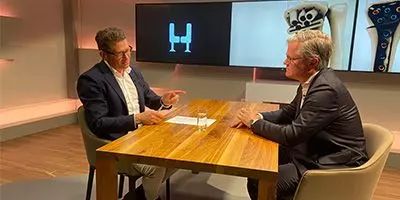

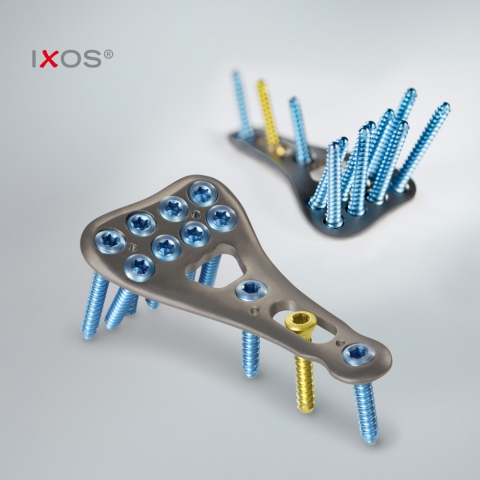


In oral and maxillofacial surgery, there is a large selection of different shapes, sizes, profile thicknesses and even materials available to you when you are looking for the optimal implant. In addition to the standard materials such as titanium, resorbable implants can sometimes be a suitable alternative. In this interview Jana from our product management for implant systems shows for which indications our resorbable implants are suitable, how they are inserted and how it all began with a wood processing technology company from Switzerland.

What are absorbable implants?
In contrast to titanium implants, for example, absorbable implants dissolve in the patient's body over time. With this type of implant, you can treat fractures in areas with little stress, such as the midface - the fracture is stable and the implant holds both parts of the fracture in position. After a few weeks or months, when the fracture has already started to consolidate, the resorbable implant will begin to dissolve. This makes a second operation to remove foreign bodies obsolete, which is a great advantage.
Titanium osteosynthesis vs. absorbable osteosynthesis with SonicWeld Rx®
When we launched our first resorbable materials Resorb x, our SonicWeld Rx® ultrasonic bone welder was not yet invented. Therefore, the principle was the same as for titanium osteosynthesis - screws and plates. The problem was that the screws broke and / or did not have enough stability to hold fractures in place.
As an alternative, screws and plates made of titanium could be used. With titanium you had enough stability. However, we often saw ingrowth implants in children who grew relatively quickly. This is particularly dangerous in the area of the cranium and, in the worst case, can even damage the brain.
So there were two options for treating young patients, neither of which were ideal:
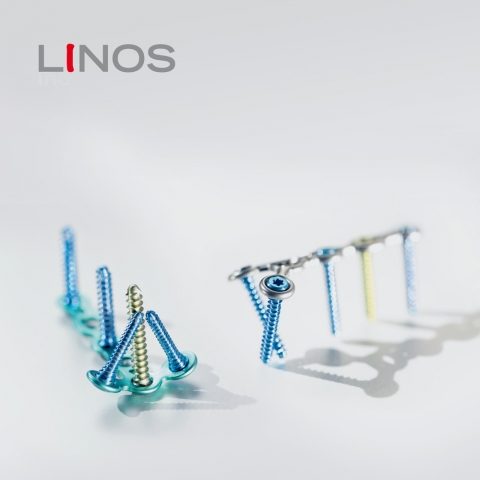
1. Titanium screws with high stability, which (especially in young patients) grow into the bone and could therefore be dangerous. They also had to be removed in a second operation.
2. Absorbable plates and screws could be used that did not need to be removed. However, their mechanical strength was less predictable, which is why there was no guarantee that the fractures would be held securely.
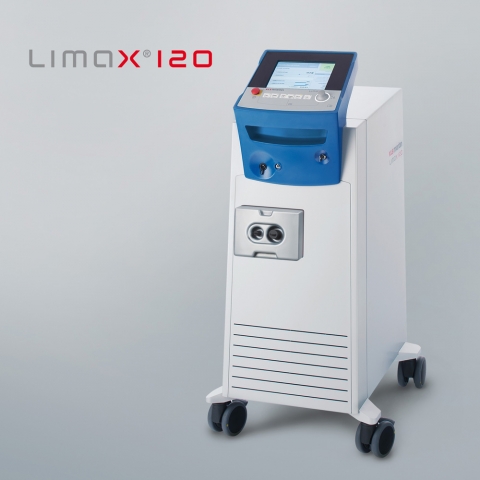
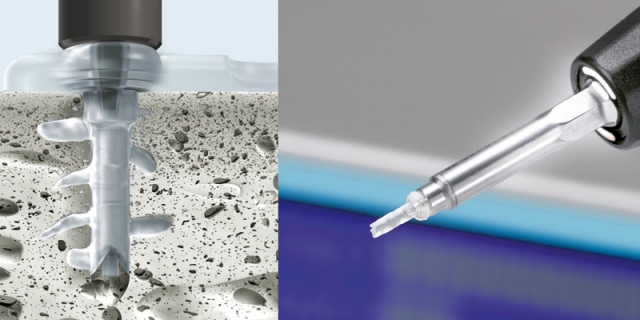
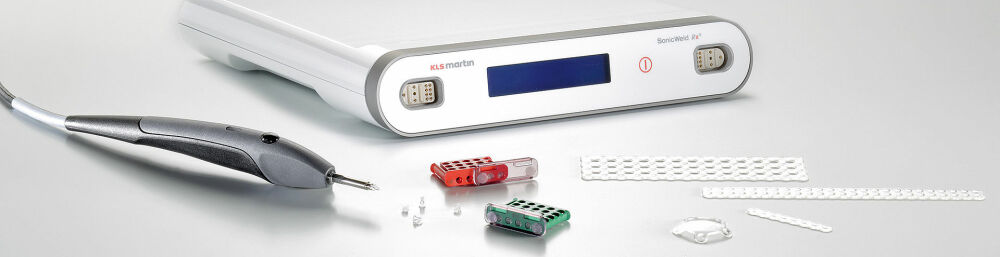
That's why we looked for new possibilities and found them with the SonicWeld Rx® system.