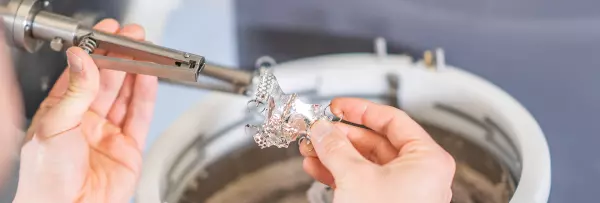




Minted collector coins are sought after worldwide. The finished coin is created from a metal strand in several steps. Through repeated annealing and rolling, the metal achieves the appropriate strength and desired luster. The next step is to stamp the blanks (coin blanks). After each blank is weight-tested, they are annealed again and washed in a ball bath, followed by minting. This completes the coin.
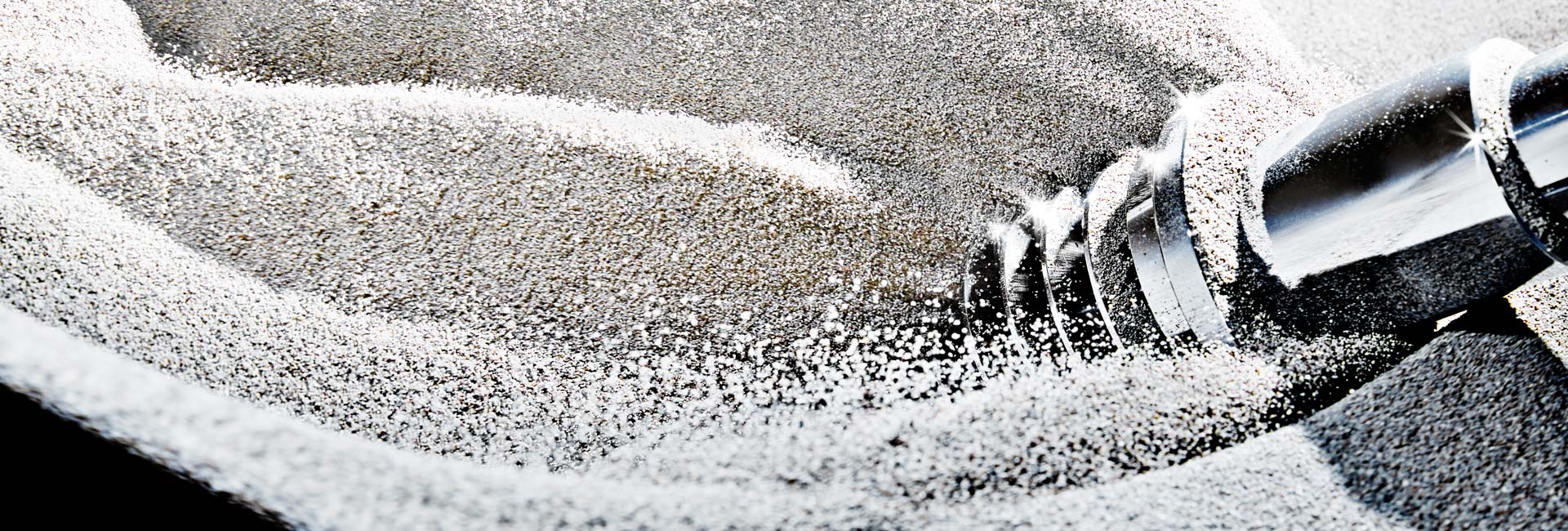
Optimize manufacturing process through machiningIn the manufacturing process, from the metal to the finished coin, repeatable surface finishing with drag grinding systems from OTEC Präzisionsfinish can be used at two quality-relevant points. Specifically, this involves the mechanical, repeatable smoothing and polishing of the surface of the countersinking tool and the resulting stamping die after laser engraving.
Human factor influences qualityTo produce the stamping dies, a down-ram press is used, which is equipped with production dies—also called countersinking tools. The more evenly smooth and polished the surface of the countersinking tool, the higher its quality. This is the motivation behind grinding and polishing the production dies. This is often done manually with a rotary disc and diamond paste, which is an enormously time-consuming process. Each tool must be machined individually.
As the coin production process continues, the design to be minted is laser engraved into the finished die. To ensure the longest possible service life and produce flawlessly minted coins, these engraved dies are subjected to a time-consuming manual polishing process. Both of these machining tasks—the smoothing and polishing of the countersinking tool and the die—have a major disadvantage: Manual machining cannot consistently meet the high demands on geometry and surface finish, because the machining quality is, quite literally, in the hands of the operator and can therefore vary.
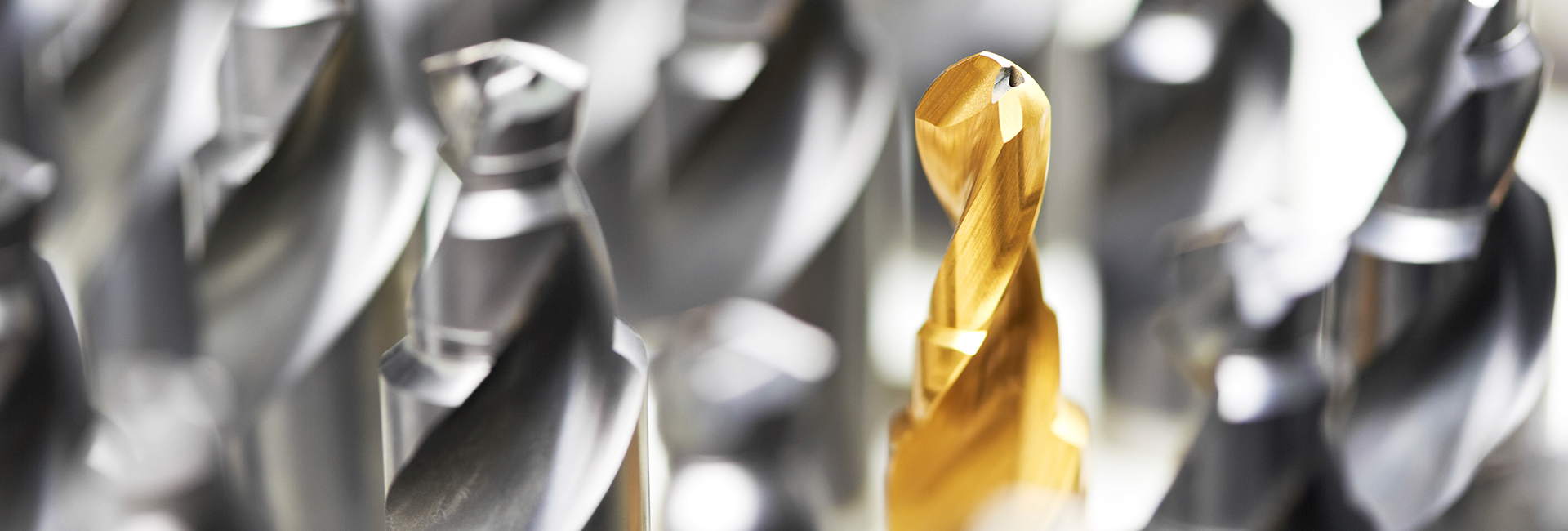
Countersinking tools with a high-gloss surface after surface finishing with the OTEC drag finishing system DF-3 HD: The surface roughness was reduced from RA 0.3 to 0.02.