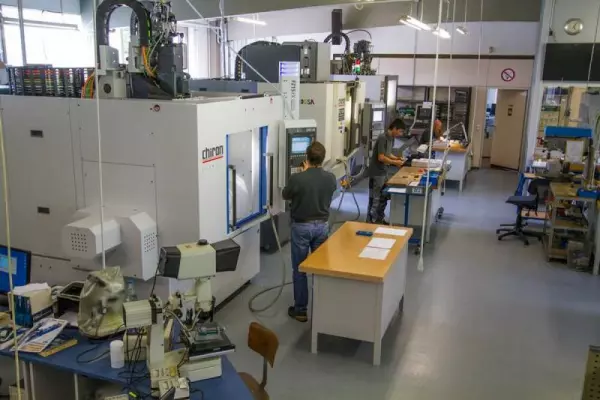

The metal and plastic processing is carried out by our modern CNC machining centers from Chiron....
Portal and digital medical technology fair of the largest MedTech cluster in Germany
The metal and plastic processing is carried out by our modern CNC machining centers from Chiron....
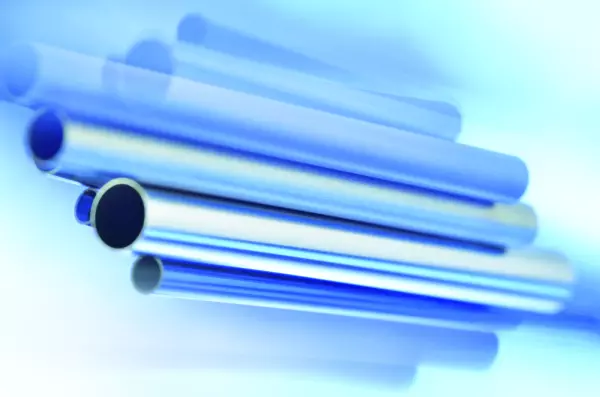

NITINOL TUBES Nitinol Tubes Generation 1, 2 or 3 (HCF-High Cycle Fatigue) ASTM F2063 complia...


Best Steels for best knifes: 1.4116 or 1.4034
No question: A good knife needs a good blade. It follows: a good blade needs a good steel. High-qual...
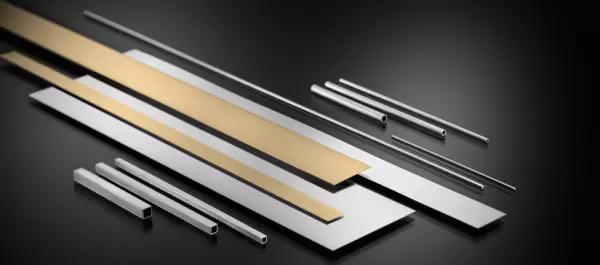

Precious metal semi-finished products
No matter what challenge you’re facing, we have the right precious metal semifinishe...

Metal technology / metal products for medical...
PRECISE and flexible technology solutions in metal technology and sheet metal processing We manuf...
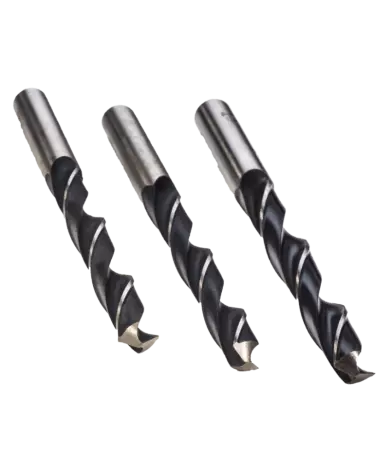

FastExtract® HSS "High Speed Steel" drills
HSS "High Speed Steel" drills are made of high-speed steel and retain their hardness even...
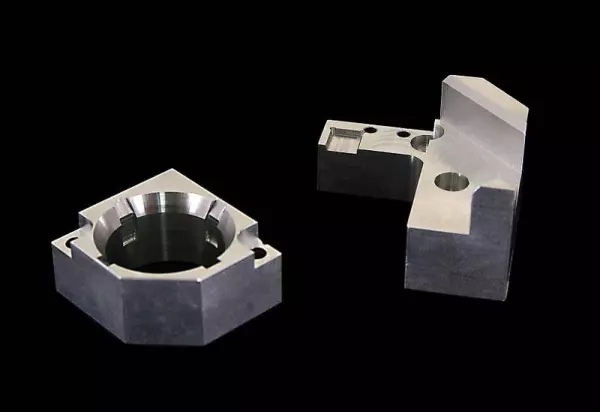
Just in time production Just-in-time production...
We meet your high demands to your satisfaction with prototypes, small and medium-sized series, espec...
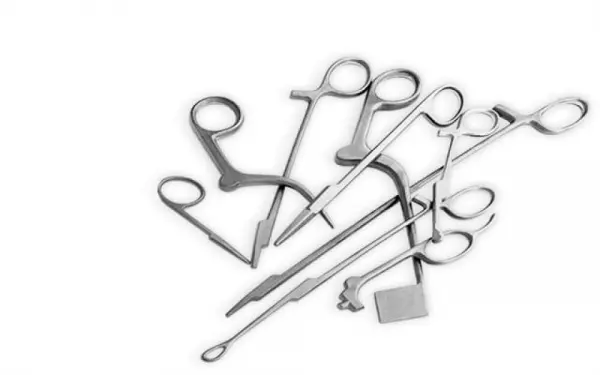

Raw materials for various surgical instruments
Since the company was founded in 1880, we have been manufacturing raw materials for various surgical...


CNC drawing parts / machined parts
Specialized in highly complex turning and milling parts. With our modern machining centers, we ar...
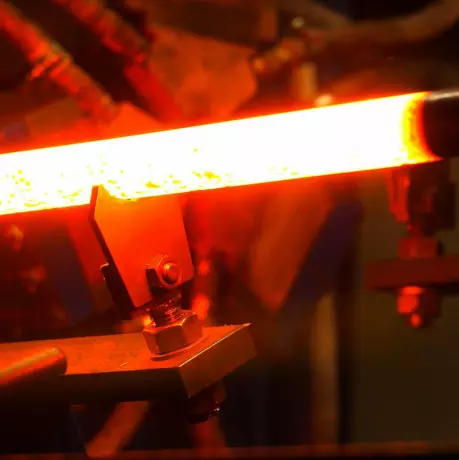
Quality-, High-Grade Structural- and Tool...
Tools made of high quality material are more durable and offer reliable quality. In this respect, th...

MICHELFELDER GmbH - Metall- und Blechbea... (EN)
78549 Spaichingen, Deutschland







 Products and services from the categories Metals & Nonmetals in medical technology or other healthcare-related industries .
While metals are very heavy and strong, nonmetals are relatively light chemical elements. When solid, they become crumbly and form oxides when reacting with nitric acid. They have no structural use and are poor conductors of heat and electricity. They can be used for a variety of different applications. They can be made into alloys and can be welded together for a variety of purposes. Here is an overview of each type.
Most metals are nonmetals, and the only difference between them is that they are poor conductors of electricity and heat. They are also brittle and do not withstand high temperatures. Compared to metals, nonmetals can be reshaped and are referred to as "orphan" elements. Some of the more common nonmetals are hydrogen and carbon, the most abundant elements on earth. These two elements are essential to life, but have very weak conductivities.
Nonmetals are not particularly malleable. Most are brightly colored or shiny, while nonmetals can be dull or black. The most important difference is that metals are generally more reactive and malleable, while nonmetals have less reactivity. But this is not a complete explanation of the differences between metals and other elements. These materials have different properties and use in different applications. It is important to understand the differences between metals and nonmetals before making a decision.
Almost all elements in the periodic table are metals, but there are some exceptions. For example, hydrogen is a nonmetal. Similarly, aluminum is a metal and a nonmetal is a liquid. In addition, most nonmetals are light and brittle, and they cannot be rolled or pounded into wires or sheets. Most of these elements also have properties intermediate to those of metals.
Among the nonmetals, carbon is the most common. It is found in limestone, dolomite, marble, and graphite. The mineral carbon is a nonmetal. It is also known as'metalloid'. The term'metalloid' was first used to describe all types of nonmetals. Most metals have a metallic appearance. Silicon, on the other hand, is a nonmetal.
Nonmetals are the anionic members of the periodic table. Most of these elements are reactive. Reactive nonmetals, such as oxygen, are very harmful. They are highly corrosive, and can damage fragile biological structures. The chemical elements in air are the only nonmetals that are highly reactive. They can cause corrosion in a variety of ways. But there are no dangers to humans. It is vital to protect our bodies from these harmful substances and make sure they are safe.
Although metals are the most commonly used metals, nonmetals are not as common as they are. In fact, they are more rarely used than they are in other materials. In addition to building structures, metals are also used to make jewelry, coins, and electrical wiring. However, nonmetals aren't as good conductors of electricity and heat. Their most common uses are in semiconductors. These materials are also important to our daily lives.
Become a digital exhibitor yourself in the online portal of the largest and best-known MedTech cluster region in Germany and inform the world of medical technology about your products and services as well as about news, events and career opportunities.
With an attractive online profile, we will help you to present yourself professionally on our portal as well as on Google and on social media.