

Best Steels for best knifes: 1.4116 or 1.4034
No question: A good knife needs a good blade. It follows: a good blade needs a good steel. High-qual...
Portal and digital medical technology fair of the largest MedTech cluster in Germany
Best Steels for best knifes: 1.4116 or 1.4034
No question: A good knife needs a good blade. It follows: a good blade needs a good steel. High-qual...
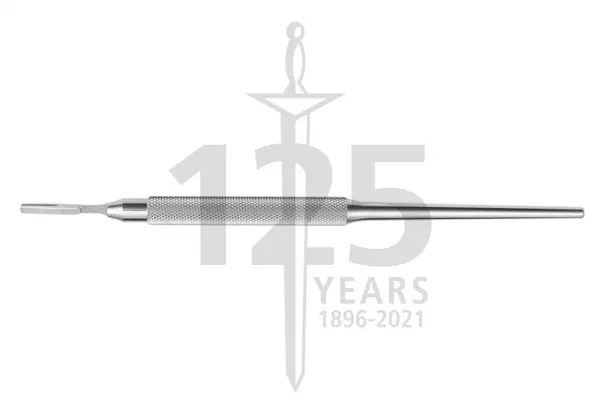

Scalpel Handles / Blades - dental...
Scalpel Handles / Blades - dental instruments from Schwert 1033-1...
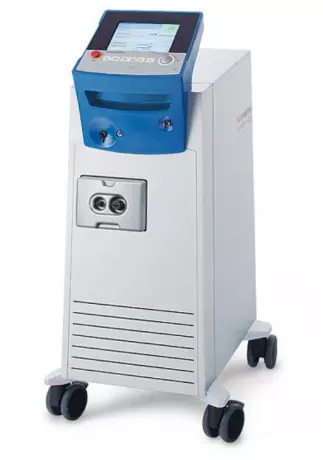

Surgical laser systems In the early 1990s, we started developing the first laser surgery devices....
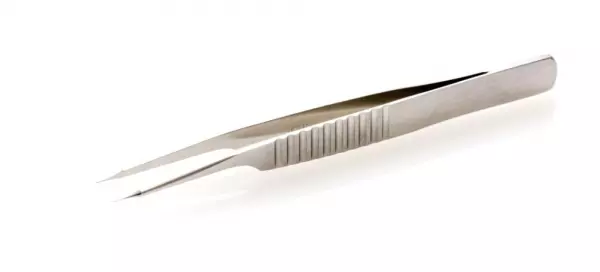

Instruments for microsurgery / micro forceps
MICROSURGERY We feel at home in areas where the naked eye is no longer sufficient, i.e. in micros...
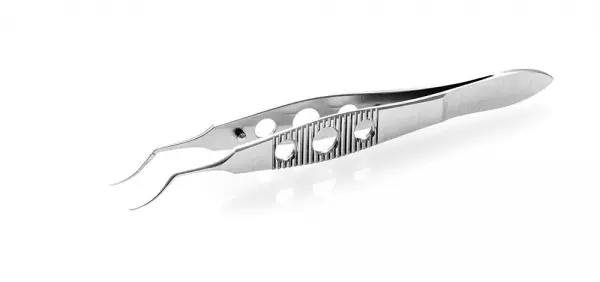
Surgical Ophthalmic Instruments - Tweezers...
EYE SURGERY Modern eye treatment abounds with innovations in diagnostics and therapy. Right from...
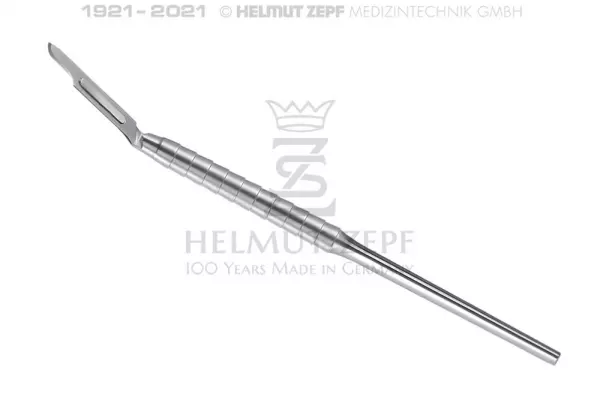

Scalpel Handles / Blades - Denatal Surgery...
46.005.65 HANDLE, SCALPEL SAFETY BLADE REMOVER/SCALPEL HANDLE PAT.NO.3621608.9 46.005.70 HA...
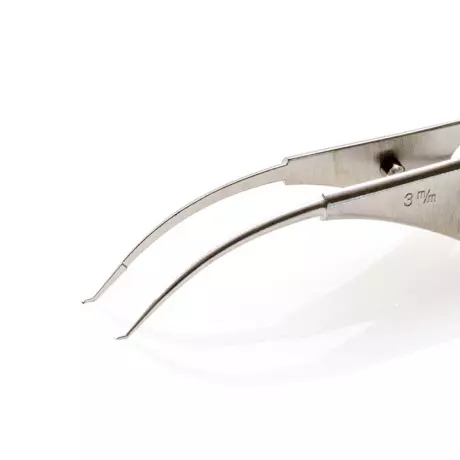
DEVELOPMENT OF SURGICAL INSTRUMENTS
CUSTOMIZED INSTRUMENTS DMost instruments in surgery technology have a very long life cycle. Howev...

 Products and services from the categories Eye surgery and ophthalmological interventions in medical technology or other healthcare-related industries .
The procedure for correcting your vision is known as eye surgery. Your ophthalmologist will make a small incision in the cornea and remove your natural lens. The surgeon will then replace your natural lens with a synthetic or silicone one. This procedure is also known as clear lens extraction or refractive-lens exchange. It can also be used to treat severe nearsightedness or dry eyes. It may be necessary to correct astigmatism.
You'll be placed under sedation for the entire procedure. Some types of eye surgery require general anesthesia to keep you unconscious during the entire procedure. However, most procedures can be performed with a combination of monitored sedation and complementary regional anesthesia blocks. The latter is typically administered through an IV placed in your vein. Both of these techniques can help prevent you from feeling pain during surgery. Fortunately, the new technologies have made these procedures more accessible to rural areas and small practices.
The procedure uses ultrasound to visualize the inner structures of the eye. It also gives the doctor detailed information about the fluids and structures of the eye. Recent technological improvements have made these techniques even more convenient and affordable. With the help of these devices, small practices and rural communities can now afford to invest in the latest eye care treatments. But before undergoing LASIK or any other type of laser vision correction, it's important to understand what the surgery is all about.
In some cases, a child may need special accommodations during surgery. This can make the procedure more complicated for the child. In addition, if your child has a medical condition that interferes with the flat position of the eyelid, this can be a cause for concern. Before undergoing a surgery, you and your ophthalmologist should discuss the conditions you have and whether these will affect the surgery. If your eye is very healthy, you may need some accommodations, but most procedures are performed in an uncomplicated fashion.
The surgical process will start with a series of eye drops to numb the eye. After the surgery, you will most likely have blurred vision for the next several days, but you'll be able to see clearly again after a few hours. Your ophthalmologist will also use a shield to protect your eyes from sunlight for a few days. As a result, your vision will be blurred for a few days or weeks.
Your eye doctor will use a microkeratome (mechanical "shaver") to reshape your cornea. This specialized blade guides itself through the cornea, removing a thin layer of the eye's surface. The mid-level layer of the cornea is reshaped with an excimer laser. This procedure allows you to see far more details and get better vision. This procedure is done to fix astigmatism.
Become a digital exhibitor yourself in the online portal of the largest and best-known MedTech cluster region in Germany and inform the world of medical technology about your products and services as well as about news, events and career opportunities.
With an attractive online profile, we will help you to present yourself professionally on our portal as well as on Google and on social media.